Subscribe to the LONGi Newsletter

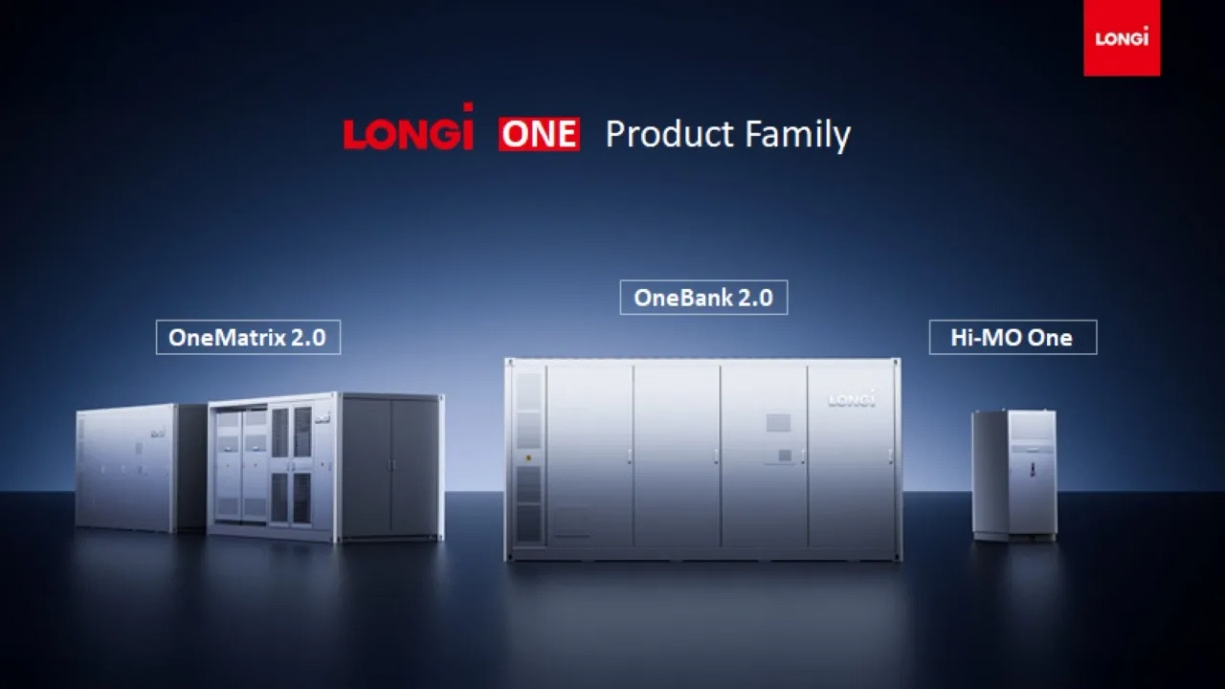
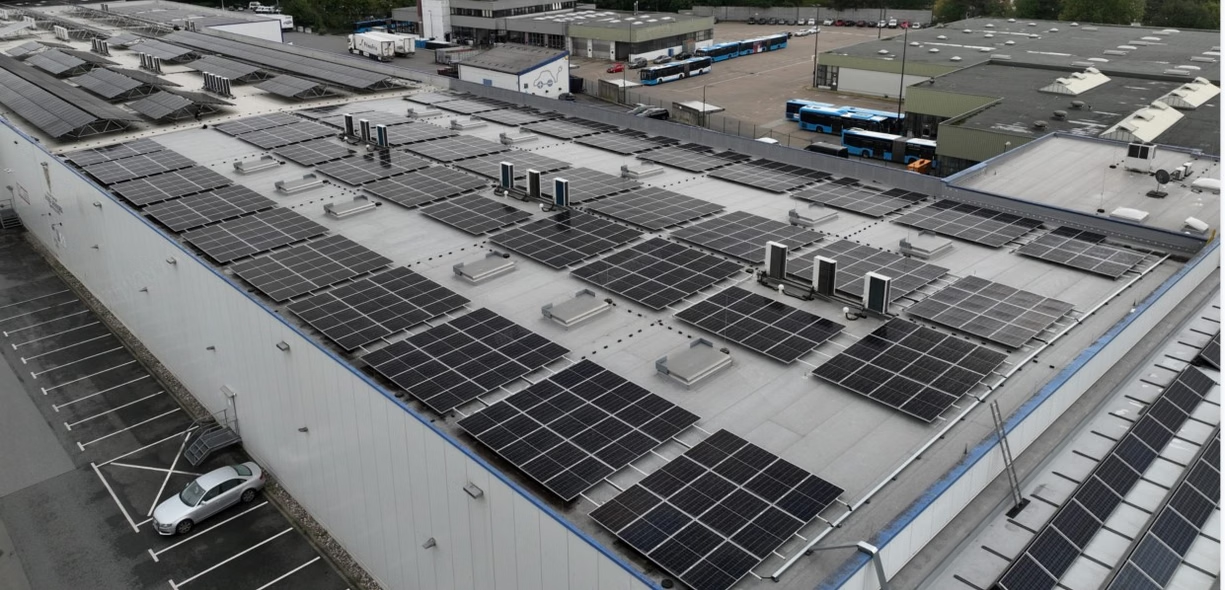
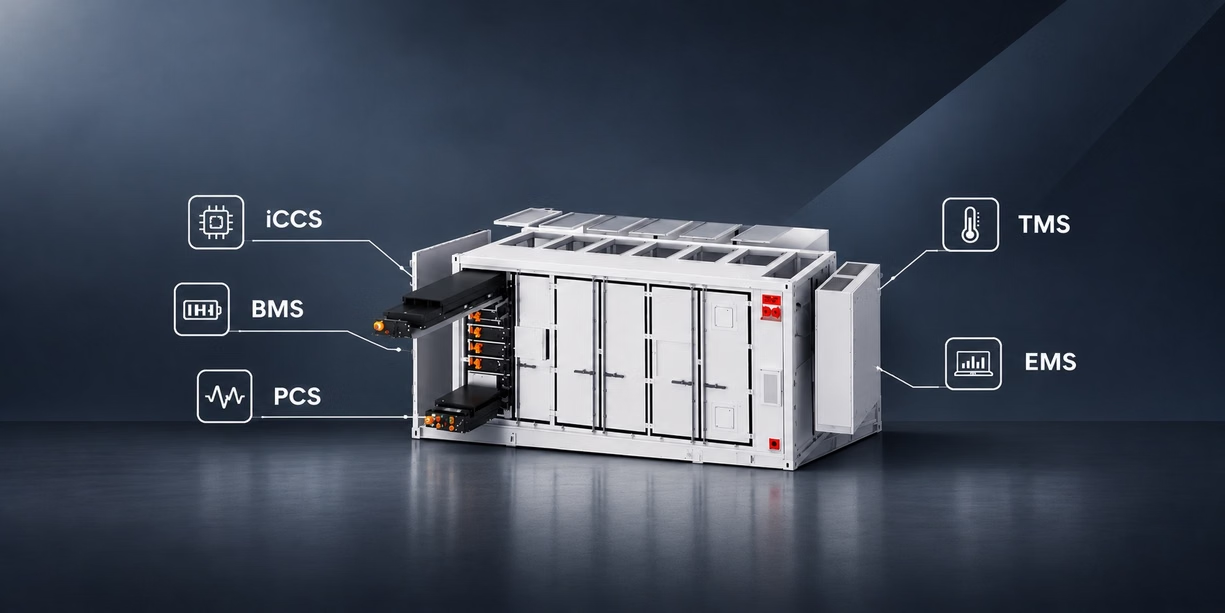
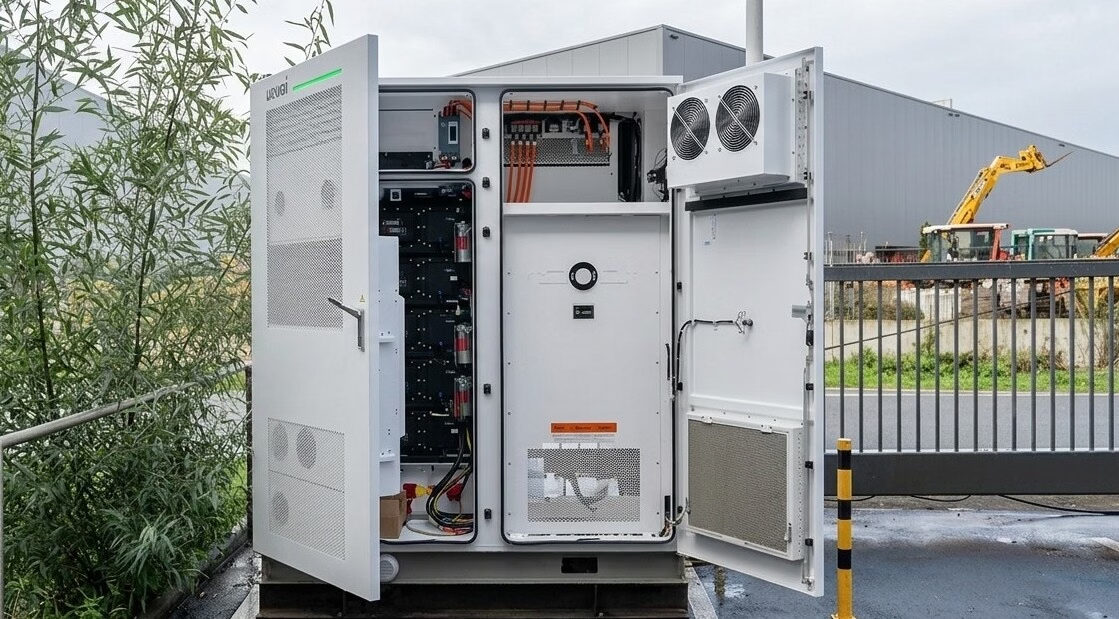
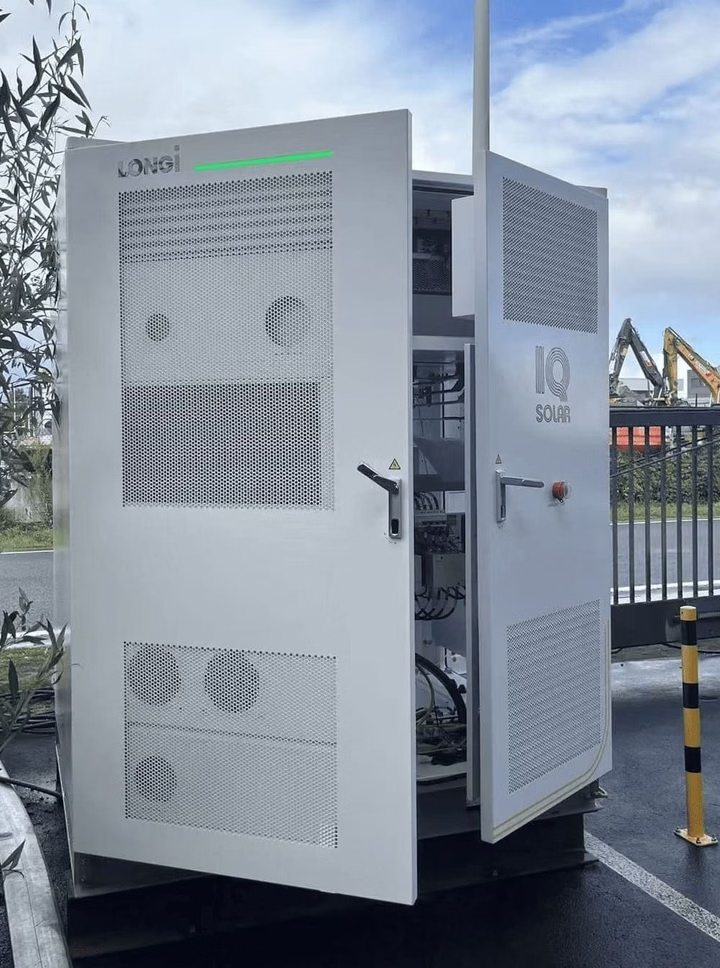
The Belgian FMCG distributor Worldtrading Europe has installed a LONGi Hi-MO One Pro commercial and industrial battery energy storage system (BESS) at its warehouse in Evergem, Flanders, near Ghent. The site already operates rooftop solar and outdoor EV charging points, but its grid connection is limited to 76 kVA. The new AC cabinet provides 261.24 kWh of rated storage capacity, allowing the company to store surplus solar electricity for later use and manage electricity demand more effectively. Local installer IQ Solar completed the installation, and the system was connected to the grid in October 2026.
Warehouse electricity demand requires careful management of available grid capacity
Worldtrading Europe has more than 25 years of experience in branded fast-moving consumer goods distribution. The company operates its own warehouse in Evergem, where it stores products for delivery to retailers. Some personal care and household products require specific storage conditions. Aerosol products, for example, commonly carry warnings against exposure to direct sunlight and temperatures above 50°C. Maintaining appropriate storage conditions is an important part of managing stock safely and reliably.
Electricity management is another consideration for the warehouse. Demand varies throughout the day, and electricity generated by the existing rooftop solar installation is not always available when consumption increases. The site's limited grid connection capacity restricts how much additional power Worldtrading Europe can draw from the grid.
The LONGi Hi-MO One Pro system allows the company to store surplus solar electricity and use it during periods of higher demand. This can reduce peak electricity imports and increase the share of solar electricity consumed on site. The battery operates within the existing grid connection capacity, giving Worldtrading Europe more flexibility in managing its electricity supply.
Warehouse rooftops offer potential for greater solar self-consumption
Warehouses can offer favorable conditions for on-site solar generation. Their large roof areas provide space for PV installations, and energy use per unit of floor area is often relatively low. The National Renewable Energy Laboratory (NREL), in its Non-Refrigerated Warehouse Design Guide (2024), identifies this combination as an opportunity for warehouses to generate more electricity than they consume at certain times.
The Energy Transitions Commission's Achieving Zero-Carbon Buildings: Electric, Efficient and Flexible (February 2025) estimates that rooftop solar could meet around 35% of a representative warehouse's winter energy needs, based on a model with a 2,100 m² roof. The estimate illustrates the potential contribution of rooftop PV, although actual generation and consumption depend on individual building characteristics.
For warehouse operators, the value of on-site solar also depends on when electricity is available and when it is needed. Battery storage can increase the amount of solar electricity used on site by shifting surplus generation to periods of higher demand. The economic benefits depend on the facility's electricity consumption patterns and the costs associated with operating the storage system.
Review the whole story here:

Lorem ipsum dolor sit amet, consectetur adipiscing elit. Suspendisse varius enim in eros elementum tristique. Duis cursus, mi quis viverra ornare, eros dolor interdum nulla, ut commodo diam libero vitae erat. Aenean faucibus nibh et justo cursus id rutrum lorem imperdiet. Nunc ut sem vitae risus tristique posuere.