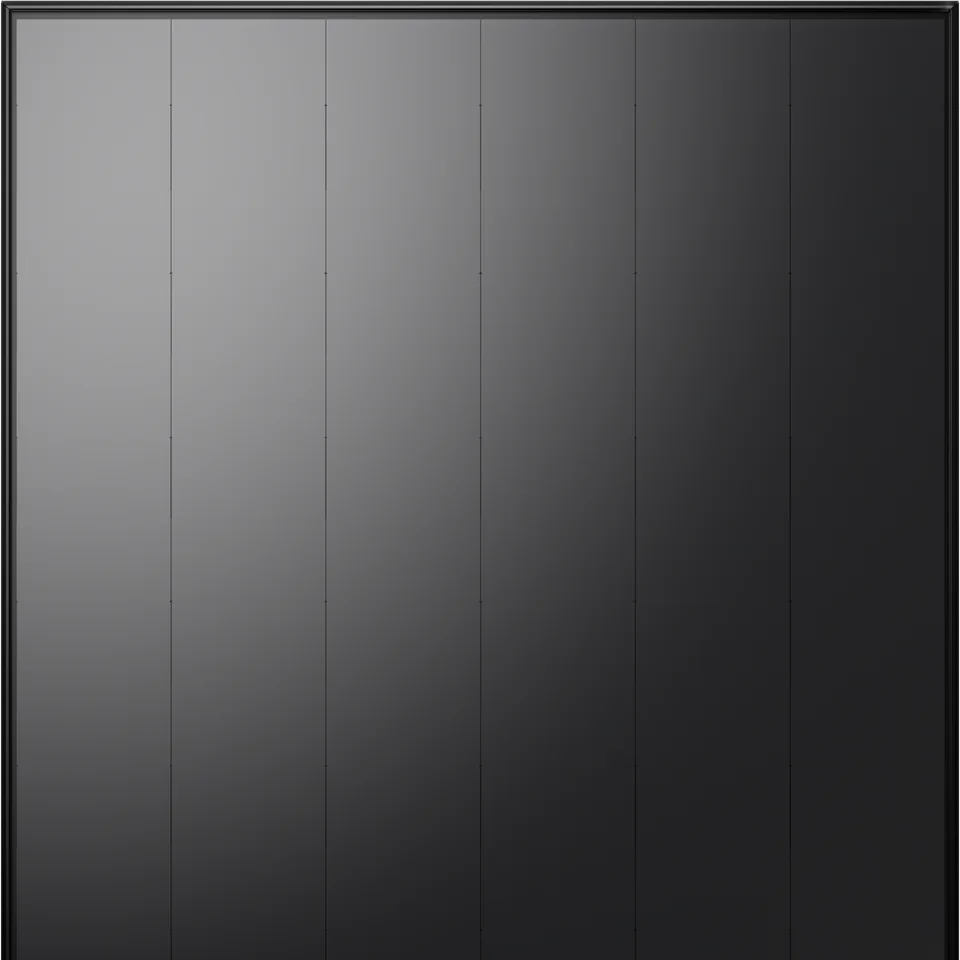
54-cell modules
Rated power
495–525 W
Max. efficiency
25.72%
Dimensions
1800 × 1134 mm

A new generation of back contact modules with Integrated Conductive Interconnection (ICI): a ribbon-free design and a gapless cell architecture. Up to 20 W of additional module power.
Integrated Conductive Interconnection (ICI) replaces conventional metal ribbons with a full sheet of conductive metal foil more than 400 meters long per module. This reduces power losses and makes the cells less vulnerable to mechanical stress. ICI also brings a gapless cell architecture, which increases the area available to capture sunlight.
High module power for larger installations
The Hi-MO X12 portfolio includes 54-cell configurations with up to 525 W and 25.72% module efficiency, 60-cell configurations with up to 580 W and 72-cell configurations with up to 690 W rated power. The choice of module format depends on the roof structure and system design.
The 54-cell and 60-cell formats give installers additional options for fitting modules around roof obstacles and within the usable roof layout. The 72-cell format extends the portfolio to projects designed around larger modules.
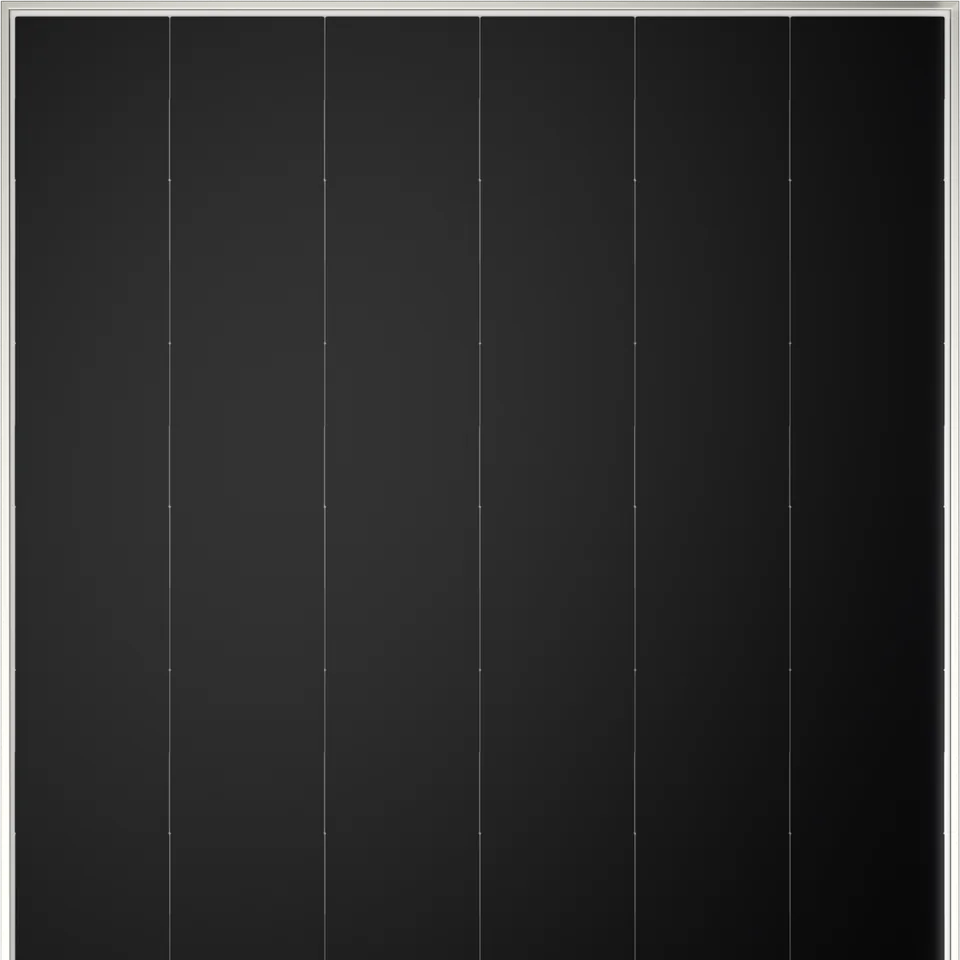
Preliminary informationFinal specifications available after the first production run.
The EcoLife Hi-MO X12 residential range brings Integrated Conductive Interconnection (ICI), with its ribbon-free design and gapless cell architecture, to compact modules for homes with high aesthetic demands. The full-black design creates a uniform appearance across the roof.
For installers, the residential range offers a choice between single-glass and dual-glass constructions without changing the full-black product positioning. The appropriate version depends on the project specification and installation requirements.
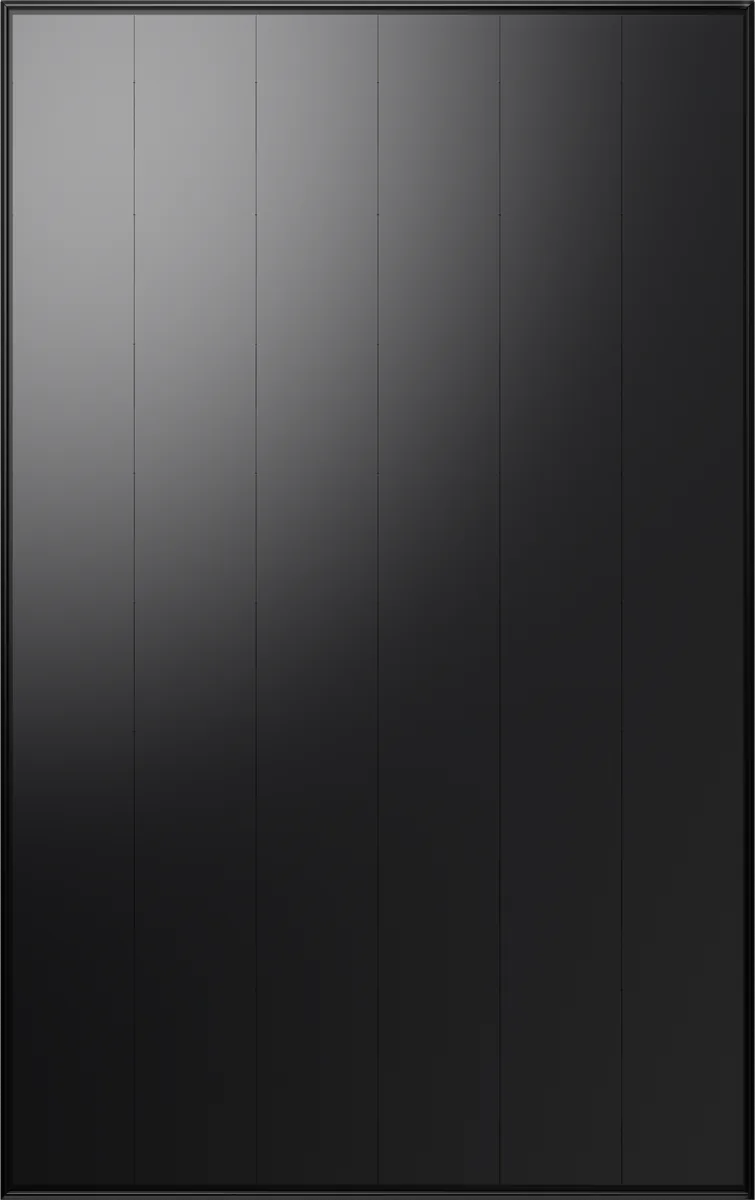
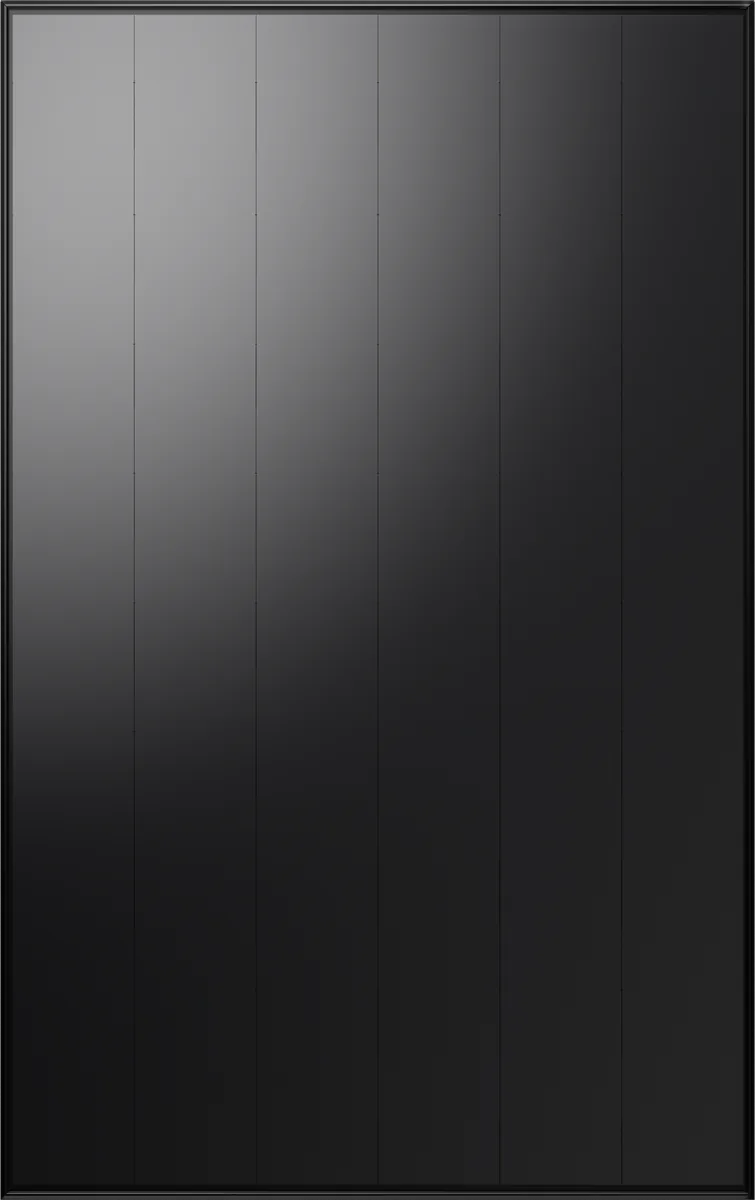
Preliminary informationFinal specifications available after the first production run.
Hi-MO X12 builds on LONGi’s proprietary Hybrid Passivated Back Contact (HPBC) 2.0 technology, already used in the Hi-MO X10 and EcoLife product families. The technology is known for its high conversion efficiency and reliability.
Partial shading from rooftop equipment or other obstructions can cause substantial power losses. HPBC 2.0 uses LONGi’s Shading Optimizer and Weak Conduction Design to allow electrical current to bypass shaded areas, limiting the impact on the rest of the module.
In independent CPVT tests of Hi-MO X10, shading half of a single cell caused an average power loss of just 10.15%, compared with 36.48% for the tested TOPCon modules. This represents approximately 72% lower power loss under the specified test conditions.
Shaded solar cells can develop localized hotspots that place additional thermal stress on the module. HPBC 2.0’s shading management technology helps limit this temperature rise.
In TÜV Rheinland comparative tests of Hi-MO X10 and TOPCon modules, hotspot temperatures were up to 60°C lower for the tested HPBC 2.0 modules under specified shading conditions.
HPBC 2.0 uses LONGi’s proprietary n-type TaiRay silicon wafers. They improve material quality and mechanical strength.
LONGi reports 16% higher bending strength compared with conventional reference wafers. This increases resistance to breakage during cell manufacturing and handling.
LONGi’s proprietary Bipolar Hybrid Passivation technology reduces electrical losses inside HPBC 2.0 cells and supports high conversion efficiency.
The technology has achieved open-circuit voltages exceeding 745 mV in mass-produced HPBC 2.0 cells.
HPBC 2.0 uses an optimized cell surface and anti-reflection coating to reduce the amount of sunlight reflected away from the cell. More incoming light can therefore contribute to electricity generation.
LONGi has reported a 12% reduction in short-wavelength light reflection through improvements to its cell surface microtexture.
Prolonged exposure to ultraviolet radiation can affect solar cell performance over time. HPBC 2.0 uses optimized surface passivation to help protect the cell against UV-related degradation.
This technology is intended to support long-term electrical performance by reducing degradation mechanisms associated with UV exposure.
Hi-MO X12’s Integrated Conductive Interconnection (ICI), with its ribbon-free design and gapless cell architecture, delivers up to 20 W of additional module power in LONGi’s technical comparison. Higher power density allows more capacity to be installed within a limited roof area. This increases the potential for electricity generation without requiring additional space. For businesses, this can mean greater savings on purchased electricity and better use of fixed project costs, improving the potential return on their solar investment.
Hi-MO X12’s ICI reduces internal mechanical stress by 60%, from 50 MPa to 20 MPa. This helps reduce the risk of microcracks and associated power losses. It supports reliable electricity generation and protects the long-term value of the installation.
Hi-MO X12’s low power temperature coefficient of −0.26%/°C helps limit power losses as cell temperatures rise. This helps maintain electricity generation during hot weather and reduces the need to purchase electricity from the grid.
Hi-MO X12 offers different module formats in 54, 60 and 72 cells to accommodate a wide range of rooftop dimensions and installation requirements. Installers can select the most suitable configuration for each project and make better use of the available roof space.
The module comes with a 30-year performance warranty, with a maximum degradation of 1% in the first year and 0.35% annually thereafter. At least 88.85% of rated power is guaranteed after 30 years. This gives project owners a defined performance baseline for long-term energy yield and financial planning.
Homeowners expect their solar panels to deliver reliable electricity for many years. EcoLife Hi-MO X12 reduces mechanical stress on solar cells to lower the risk of damage that could affect long-term performance. Its 30-year performance warranty gives homeowners additional confidence in their investment. The full-black design also provides a uniform appearance that blends naturally into the roof – and looks stunning.
The Hi-MO X12 portfolio includes module formats for commercial and industrial installations as well as compact full-black residential modules.
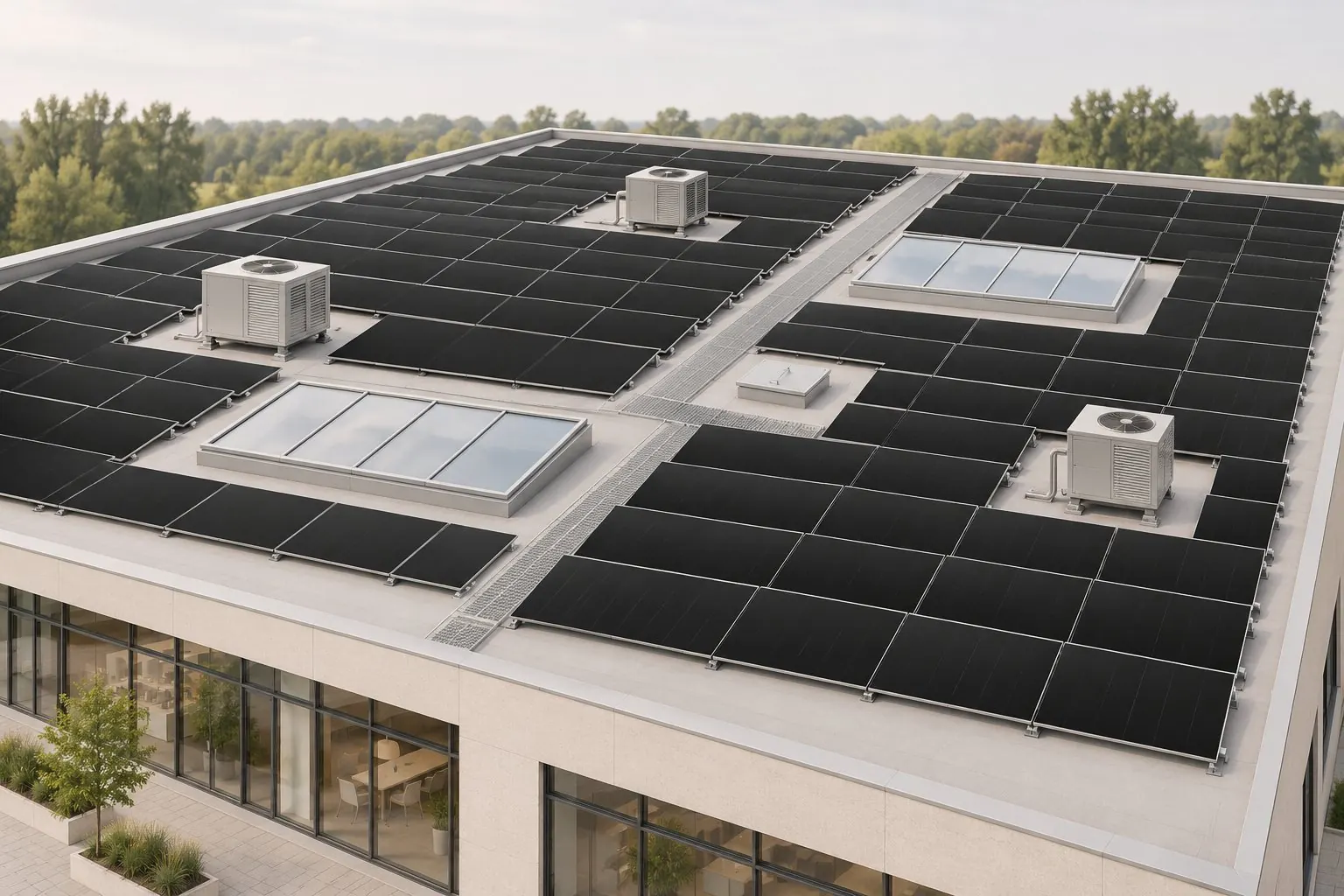
Commercial buildings often have ventilation equipment, skylights and access requirements that reduce the area available for solar panels. High-efficiency Hi-MO X12 modules help system designers maximize rated solar capacity within the usable module area. The 54-cell C&I configurations reach up to 25.72% module efficiency, making them particularly relevant for projects where available space is a primary consideration.
For installers and EPCs, the choice of 54-cell and 60-cell formats creates flexibility in module layout. Different formats can help accommodate roof geometry and usable installation zones.
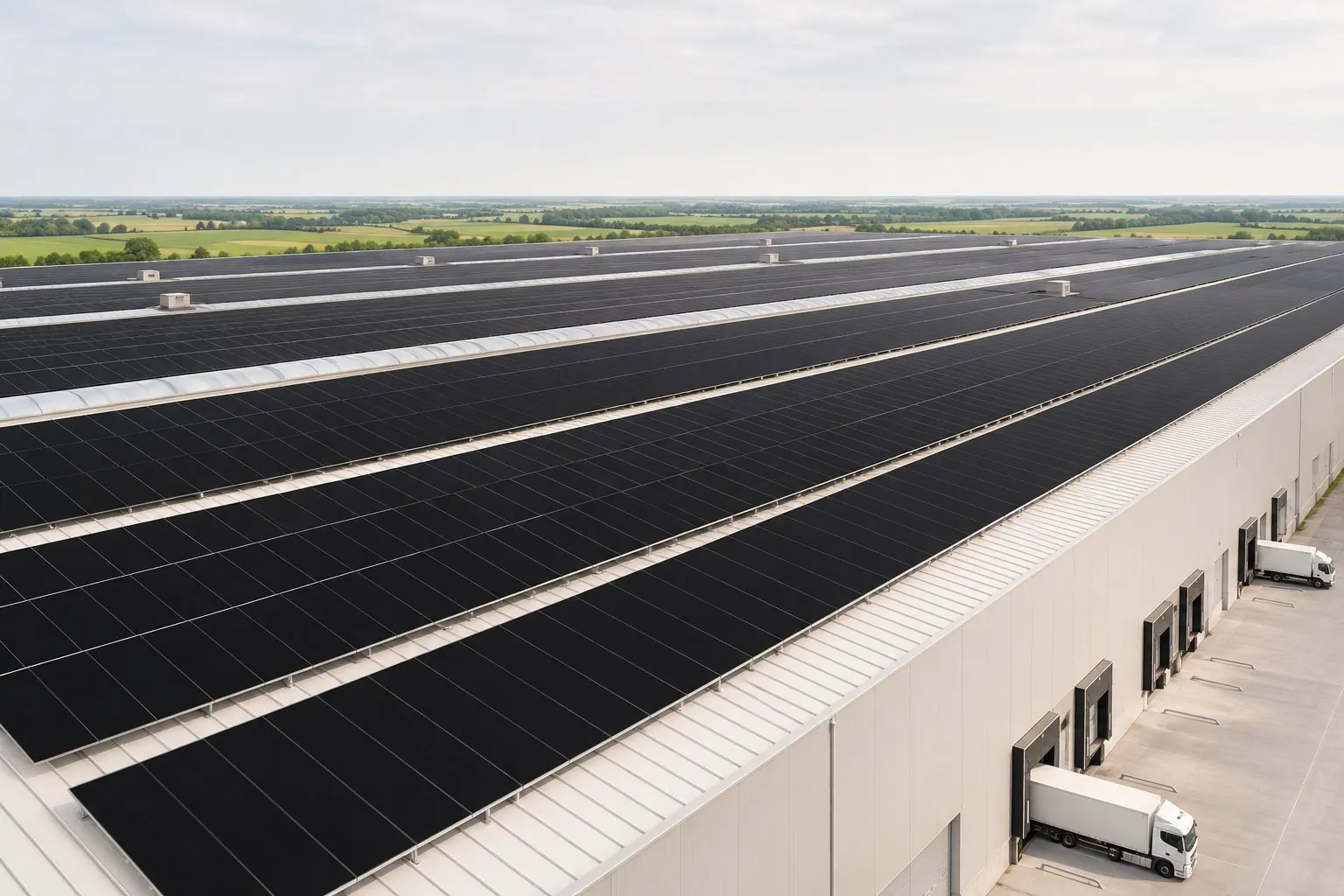
For energy-intensive businesses, maximizing solar generation can help reduce dependence on purchased electricity. Hi-MO X12’s higher power density allows more solar capacity to be installed on available industrial roof space. This gives businesses more solar electricity for on-site consumption and reduces their energy costs.
Combined with battery energy storage, businesses can use more of their solar electricity outside daylight hours and further reduce grid electricity purchases.
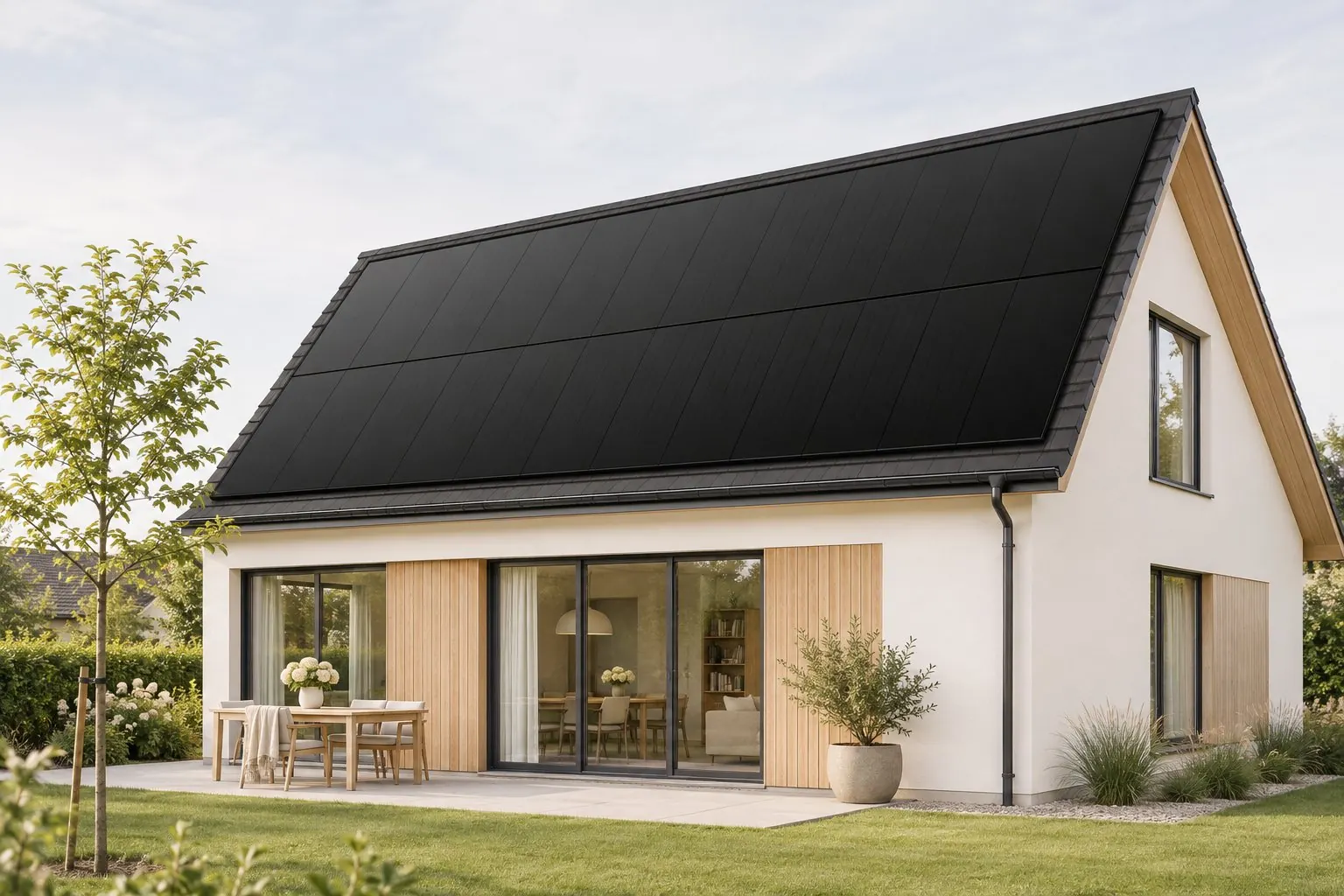
The EcoLife Hi-MO X12 residential series helps homeowners generate more electricity from their roofs and reduce their electricity bills. With up to 500 W of power and 24.74% module efficiency, the panels make efficient use of limited roof space. The full-black design blends into the roof for a clean, uniform and beautiful appearance.
Explore the technical specifications of the Hi-MO X12 portfolio or contact our European team to discuss suitable module configurations for your commercial or industrial project.