Subscribe to the LONGi Newsletter

Thermal runaway containment testing provides additional safety evidence for commercial and industrial battery storage projects in Europe
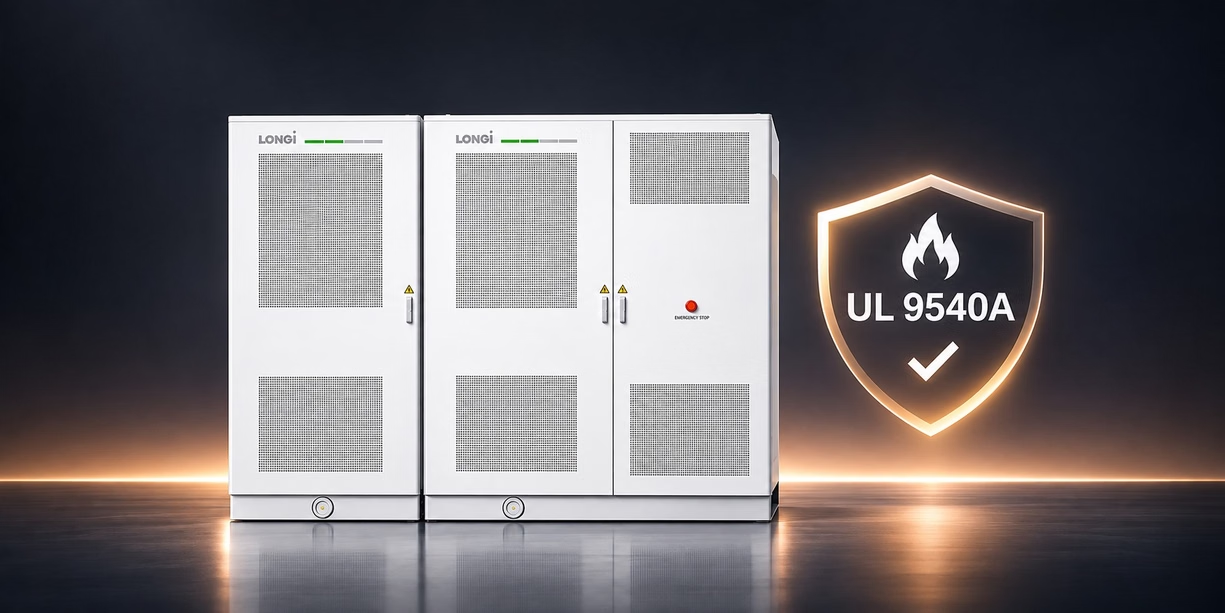
LONGi's Hi-MO One Pro commercial and industrial battery storage system has undergone TÜV-witnessed testing under UL 9540A, providing independent evidence of its thermal runaway containment capabilities. The testing examines a critical battery safety risk: whether a failure inside a battery cabinet can cause fire to spread beyond the affected area.
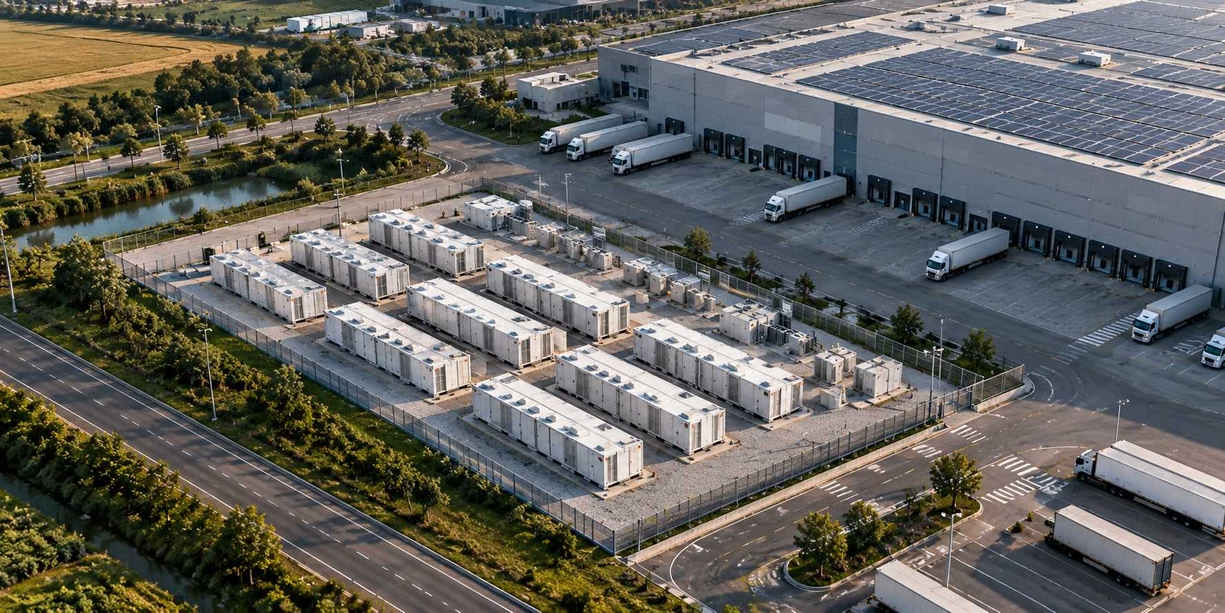
For European businesses investing in battery storage, fire safety is an important consideration in project planning and insurance assessments. Technical documentation must demonstrate how a storage system behaves under severe fault conditions, particularly when batteries operate close to buildings or other equipment.
UL 9540A is an internationally recognized test method that examines whether thermal runaway can spread within or beyond a battery storage system.
Cabinet-level testing assesses the risk of fire spreading
Thermal runaway occurs when a battery cell experiences an uncontrolled temperature increase. The resulting heat can affect neighboring cells and potentially cause a larger fire.
UL 9540A testing deliberately initiates thermal runaway to evaluate how the failure develops. At cabinet level, the assessment focuses on the complete battery enclosure and the potential spread of heat or fire to surrounding equipment.
Engineers measure temperature development, gas release and heat transfer. Depending on the test configuration, active fire suppression may be disabled to assess the enclosure's passive protection capabilities.
Hi-MO One Pro's testing provides evidence of thermal runaway containment at cabinet level. This adds an independent assessment of fire propagation behavior to the system's existing safety measures.
Hi-MO One Pro uses iCCS to identify battery risks before temperature escalation
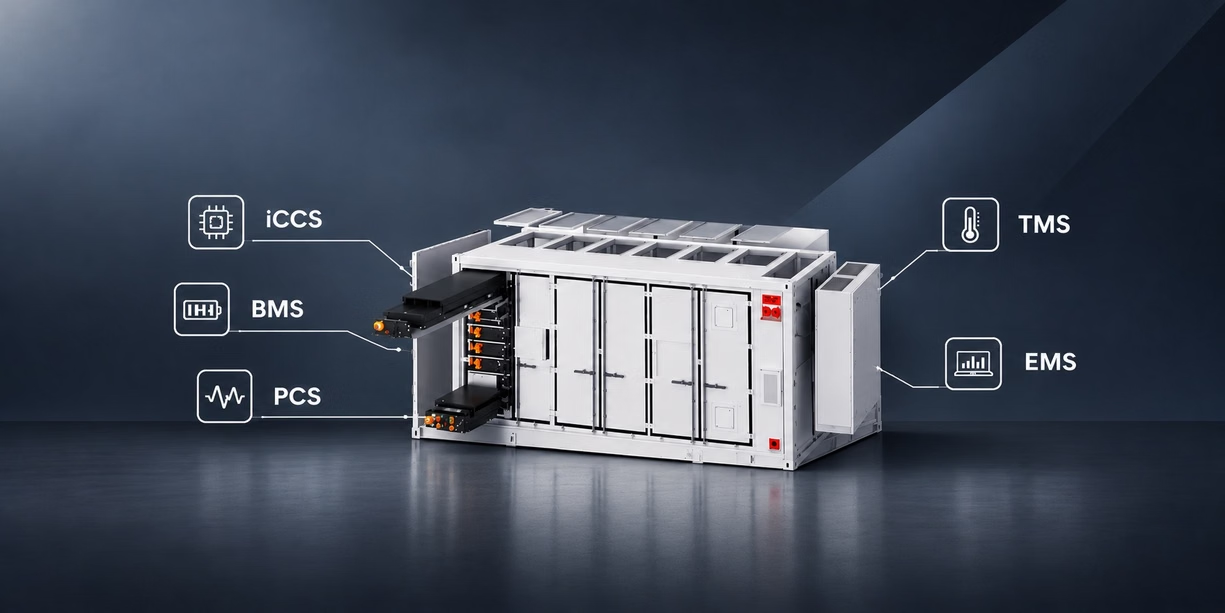
Hi-MO One Pro uses 314 Ah lithium iron phosphate (LFP) cells and provides 261.24 kWh of nominal storage capacity per cabinet. Its safety architecture focuses on identifying developing battery faults early and limiting their consequences.
LONGi's intelligent cell contact system (iCCS) monitors individual cells for abnormalities in electrical and physical parameters. These measurements can reveal developing risks before a significant temperature increase occurs.
The battery management system can automatically isolate affected battery clusters to limit the spread of faults. Liquid cooling maintains controlled operating temperatures, and multi-stage fire detection and suppression provide additional protection if a fault escalates.
Fire safety testing provides evidence for European project planning
For European commercial and industrial projects, UL 9540A test results help insurers, fire authorities and project developers assess battery fire risks. The findings provide evidence of thermal runaway containment and can inform installation requirements, particularly at sites with multiple battery cabinets. UL 9540A complements established battery safety standards such as IEC 62619 and IEC 63056.
Hi-MO One Pro combines early cell-level risk detection with protective measures designed to contain battery failures. The UL 9540A test results provide additional evidence of its fire safety performance for European commercial and industrial projects.

Lorem ipsum dolor sit amet, consectetur adipiscing elit. Suspendisse varius enim in eros elementum tristique. Duis cursus, mi quis viverra ornare, eros dolor interdum nulla, ut commodo diam libero vitae erat. Aenean faucibus nibh et justo cursus id rutrum lorem imperdiet. Nunc ut sem vitae risus tristique posuere.