Subscribe to the LONGi Newsletter

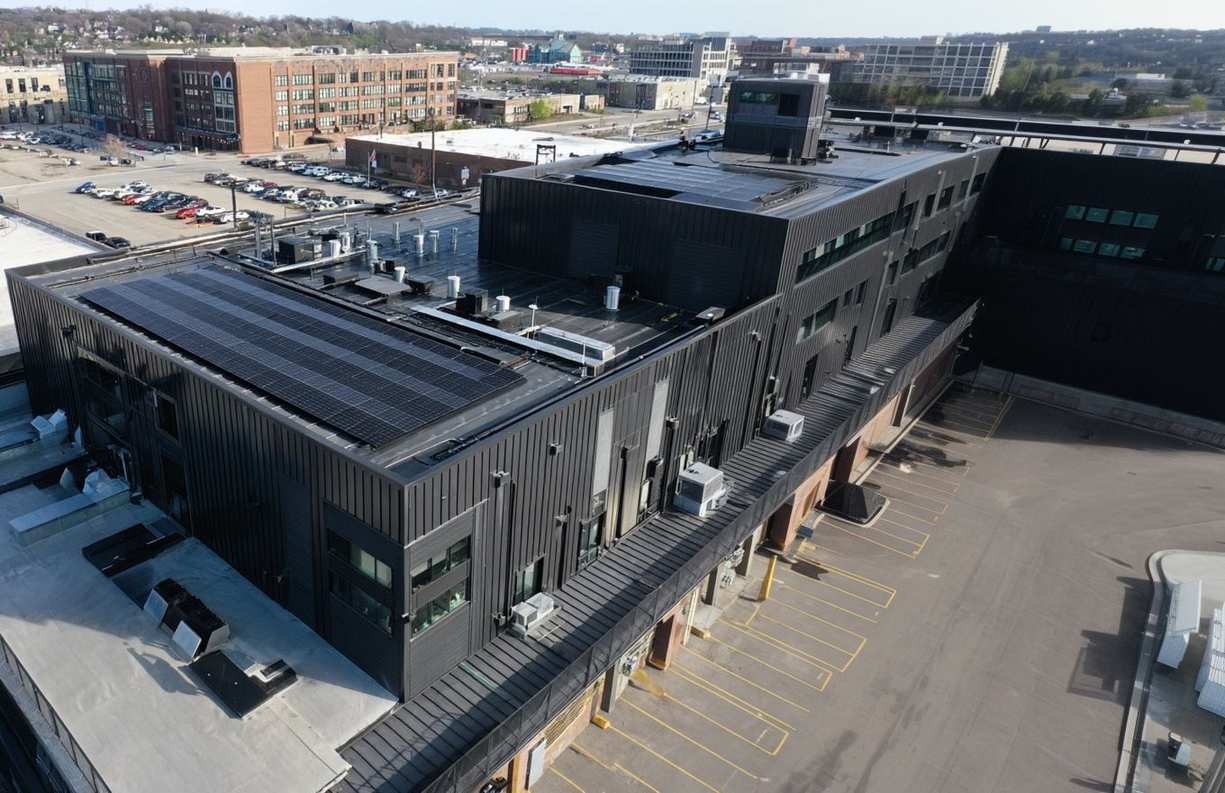
Ghent University Hospital wanted to turn the roof of its new parking structure into a 1.2 MWp solar installation. But the site presented an unusual constraint: the roof sits next to the hospital’s 24-hour heliport, where reflected sunlight from solar modules could interfere with helicopter takeoffs and landings.
The solution had to meet both objectives: generate renewable electricity from the available roof area while reducing potentially disruptive glare for critical aviation operations. LONGi Hi-MO X10 Guardian Anti-Glare Pro modules were selected to address both.
Ghent University Hospital, Universitair Ziekenhuis Gent, is one of Belgium’s largest hospitals. Its 40-hectare hospital campus aims to become carbon-neutral by 2050. Over the next two decades, the campus is being reorganized, greened and rebuilt.
Aligned with the university’s sustainability targets, Ghent University Hospital is working to reduce emissions and energy demand while increasing the use of renewable energy. The parking structure, completed in 2024, offered an opportunity to contribute to that transition.

Solar glare becomes a safety consideration near the hospital heliport
The parking structure, completed in 2024, has eight floors with over 1,800 spaces. Its roof was destined for solar from the outset. But the location presented one challenge.
The hospital’s heliport, EBGT, operates around the clocknot for routine transfers, but for HEMS (Helicopter Emergency Medical Services) and air ambulance flights. These carry trauma patients, neonatal emergencies, and transplant organs, in situations where even seconds can make a difference.
Any solar installation on the parking roof would sit close to the heliport’s approach and departure routes. Reflections from conventional solar modules could create glare during helicopter takeoffs and landings, making glare control a critical condition for installing PV at this location.
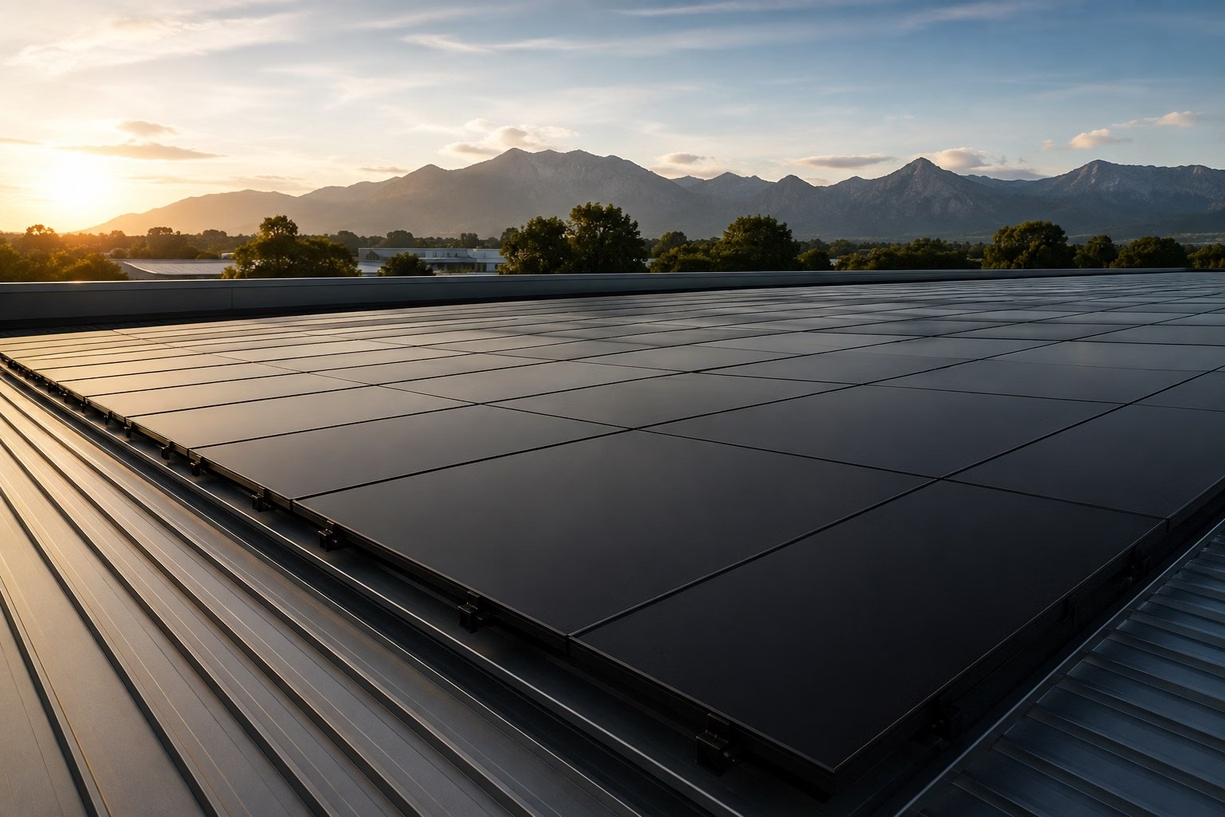
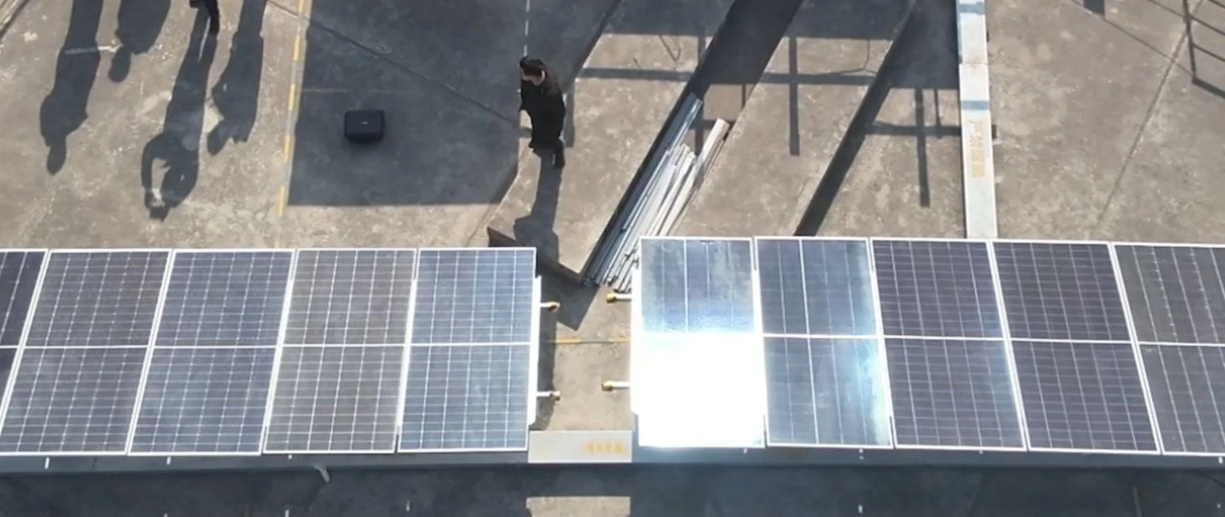
LONGi’s Hi-MO X10 Guardian Anti-Glare Pro provided the solution to this challenge. Its specially engineered glass surface disperses reflected light rather than concentrating it in a mirror-like reflection, similar to the difference between frosted glass and a mirror.
Anti-glare solar brings 1.2 MWp of clean energy to the hospital campus
The project uses LONGi Hi-MO X10 Guardian Anti-Glare Pro modules, combining anti-glare glass with back-contact cell technology. The glass is designed to reduce glare, while the cell architecture moves the electrical contacts to the rear, leaving more of the front surface available to capture sunlight. Total reflectivity has been measured at approximately 0.9%, providing a quantified measure of the module’s low-reflection performance.
The Anti-Glare Pro combines this low-reflection performance with power outputs of up to 640 W and module efficiencies of up to 23.69%. Across the parking structure, the modules form a 1.2 MWp system that generates renewable electricity on-site and reduces reliance on grid power.
For pilots approaching the heliport, reflections from the solar installation are reduced to near-zero levels. The heliport continues to operate around the clock alongside the PV system. The hospital did not have to choose between solar generation and the safe operation of its heliport. Anti-glare technology made it possible to accommodate both.
The Ghent University Hospital project shows how solar can be integrated into sites with highly specific operational constraints. By addressing glare at module level while maintaining high energy performance, the project adds renewable generation to the hospital campus without compromising the operational needs of its heliport.
Check the whole story here:

Lorem ipsum dolor sit amet, consectetur adipiscing elit. Suspendisse varius enim in eros elementum tristique. Duis cursus, mi quis viverra ornare, eros dolor interdum nulla, ut commodo diam libero vitae erat. Aenean faucibus nibh et justo cursus id rutrum lorem imperdiet. Nunc ut sem vitae risus tristique posuere.