Subscribe to the LONGi Newsletter

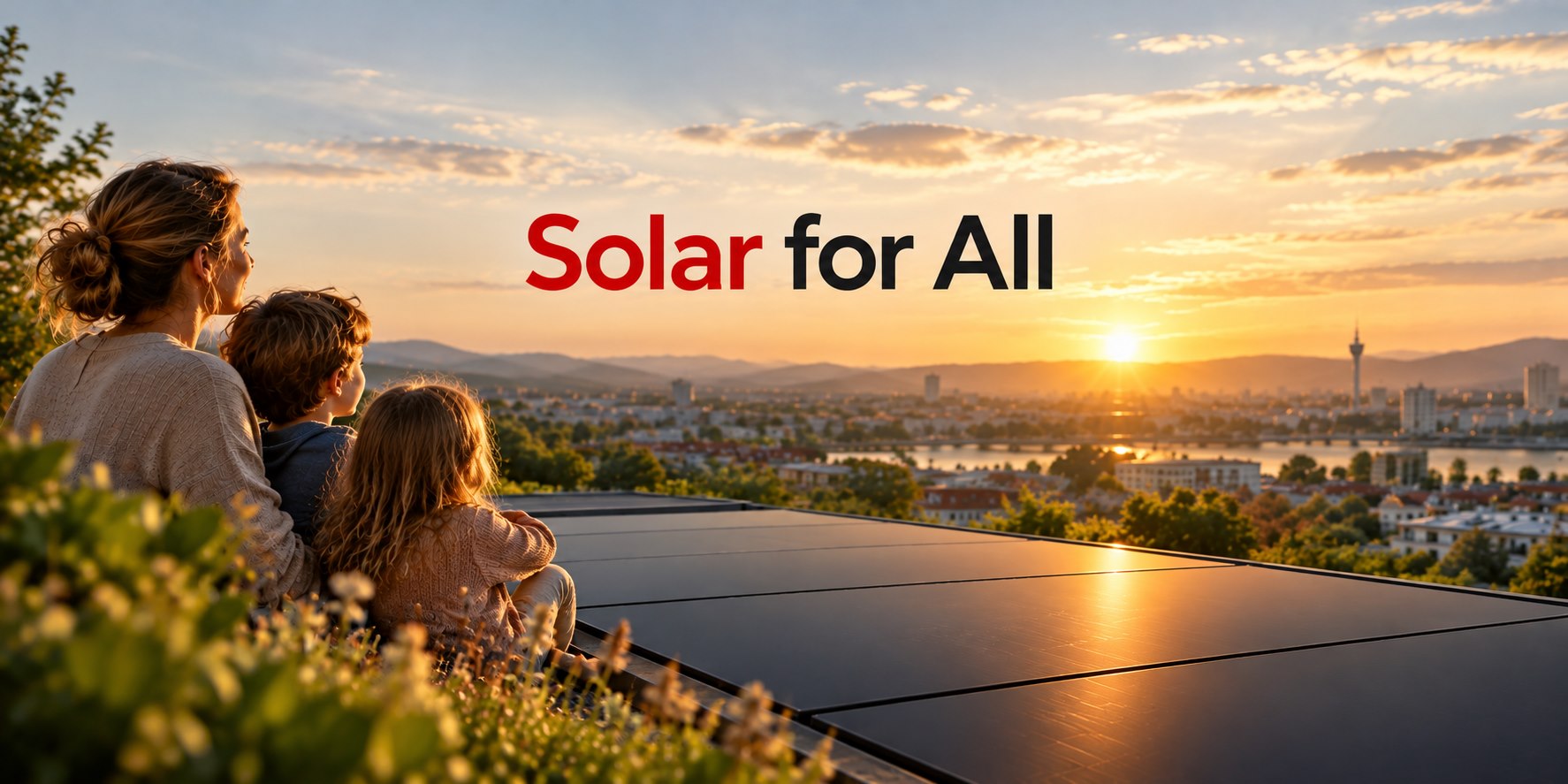
Solar energy is one of the most widely available natural resources on Earth, yet access to its benefits remains unequal. Millions of people still lack reliable electricity, and costs, infrastructure limitations, and local environmental conditions restrict solar deployment in many regions, both developed and developing. That’s why LONGi founded the “Solar for All” initiative. We aim to address these barriers through technological innovation, targeted energy access projects, and solutions that make solar power suitable for a wider range of applications.
An initiative rooted in energy equity
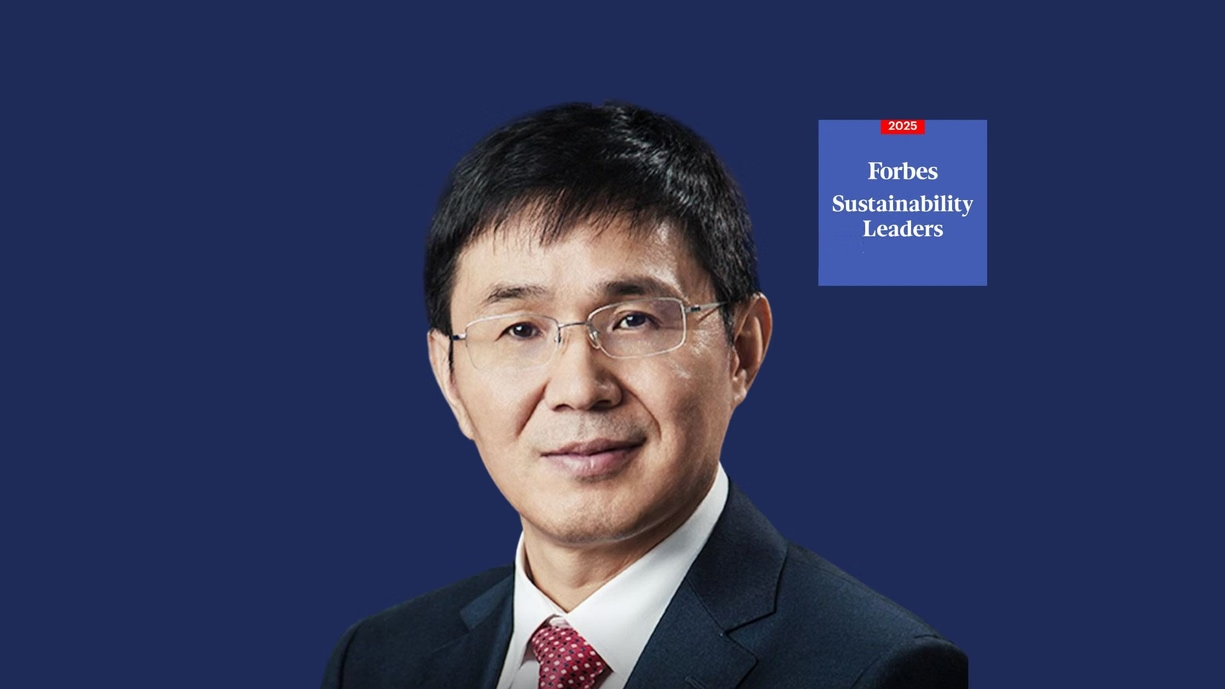
“Solar for All” was introduced in 2023 by LONGi founder Li Zhenguo. It reflects the company's commitment to global energy equity: the principle that people and communities should have fair access to affordable, reliable, and clean energy, regardless of their economic circumstances or geographic location.
“Solar for All” serves as an umbrella for multiple initiatives across LONGi's global operations. Its objectives are reflected in the company's research priorities, technology development, and partnerships with humanitarian organizations and local communities.
The initiative builds on a central conviction expressed by Li Zhenguo: technological progress should help make clean electricity more affordable and make its benefits available to more people.
Higher efficiency contributes to making solar electricity more affordable
One of LONGi's key contributions to energy equity is the ongoing improvement of photovoltaic efficiency. More efficient solar cells generate more electricity from the same surface area, reducing the materials, land, and supporting infrastructure needed for a given energy output. As a result, solar becomes more cost-effective and, therefore, more affordable. This progress has been remarkable: according to IRENA, the cost of solar modules fell by 97% between 2010 and 2024 due to advances in technology and manufacturing, enabling more people and communities worldwide to benefit.
LONGi's strong R&D team has repeatedly set new efficiency benchmarks. In September 2026, it achieved a world-record conversion efficiency of 28.29% for a crystalline silicon solar cell, independently verified by Germany's Institute for Solar Energy Research Hamelin (ISFH). Earlier in 2026, LONGi also achieved a certified crystalline silicon module efficiency of 26.4%. Since 2021, the company has broken the cell-efficiency world record more than 20 times.
Developing solar technology and products for more locations and environmental conditions
“Solar for All” also means addressing the physical and technical limitations that hinder photovoltaic installations in certain environments.
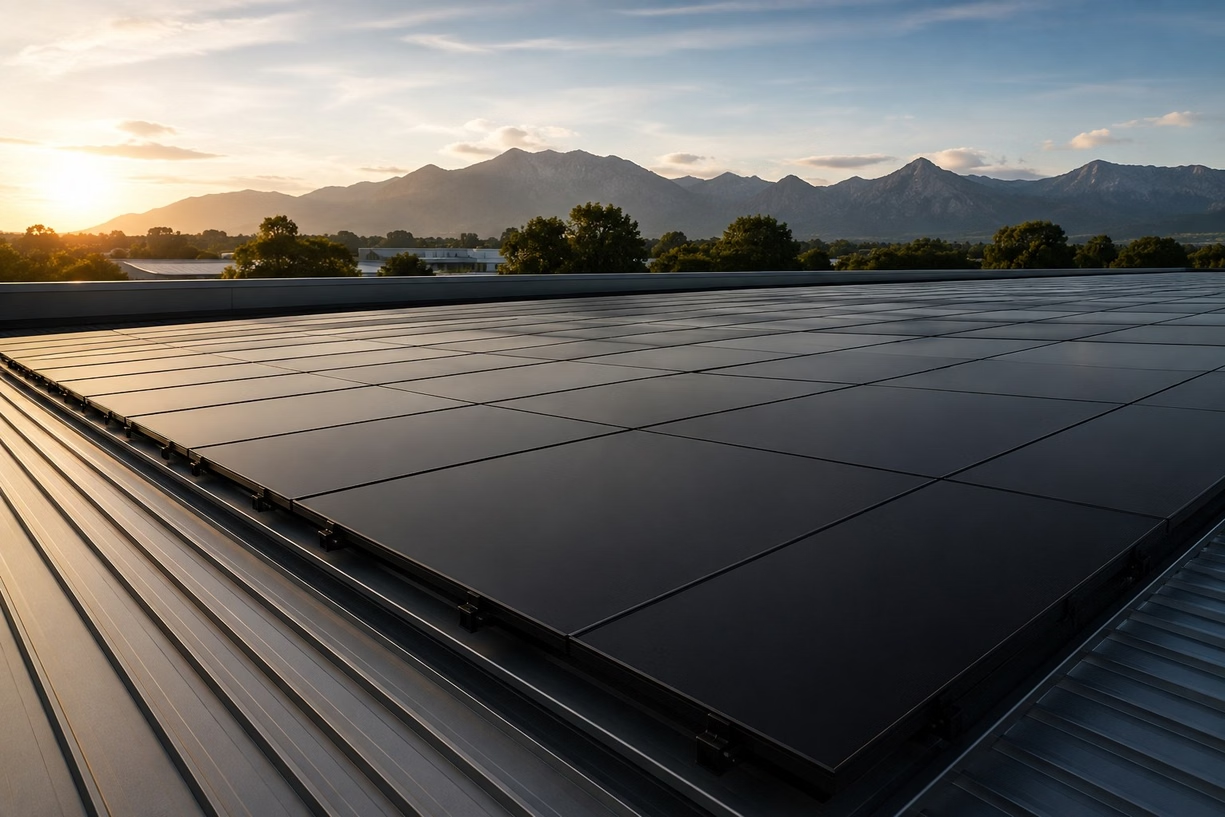
A rooftop in northern Europe faces different challenges than a coastal installation, an industrial building, or a solar project in a desert climate. Snow loads, extreme heat, strong winds, salt exposure, dust, and limited roof capacity all affect how reliably and efficiently solar systems operate.
LONGi's technology development therefore includes application-specific module designs that address these conditions. The objective is to make solar generation technically and economically viable across a wider range of locations.
In Europe, where space is limited and infrastructure is densely developed, another challenge is ensuring that solar installations are compatible with their surroundings. Airports, railway corridors, roads, urban buildings, and residential neighborhoods can impose strict requirements for glare, safety, and structural loading.
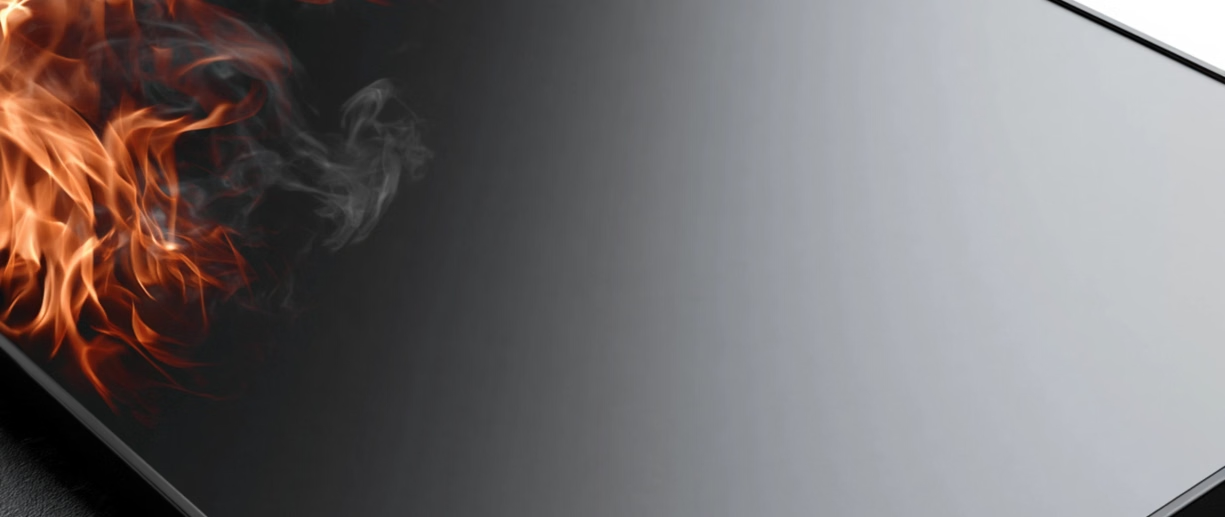
Technologies that reduce unwanted reflections, improve fire safety, or enable installation on roofs with limited load-bearing capacity can help unlock additional surfaces for electricity generation. This also supports public acceptance of solar energy as it becomes a more visible part of everyday life.
Energy access initiatives deliver tangible benefits to communities
Beyond technological development, LONGi partners with local and international organizations to support projects that use solar electricity to directly improve people's lives.
In Mozambique, LONGi, Senergia and Project Vita supported a solar-powered water supply for a maternity clinic in Linga Linga. The installation powers a water pump that provides running water for hygiene and medical care, improving conditions for mothers and newborns.
In Ukraine, LONGi donated solar modules to a hospital in the Izmail district, where solar generation and battery storage help maintain essential medical services during power outages.
In Malawi, LONGi has supported school electrification and surrounding communities. A 301 kW module donation program targeted 12 locations, helping provide electricity for education and essential infrastructure.
In Brazil, LONGi partnered with the UN Refugee Agency (UNHCR) on an initiative launched in 2025 to expand solar energy access for vulnerable communities in the Amazon region. The program targets schools, medical facilities and community infrastructure.
These projects demonstrate how the broader Solar for All initiative translates into practical action. Reliable electricity can support education, healthcare and basic services in communities where conventional energy infrastructure is insufficient or unreliable.
Solar for All in Europe: accessibility also means public acceptance
In Europe, energy equity includes access to affordable solar electricity and the ability of more households, businesses, and communities to participate in the energy transition.
Available space is becoming increasingly important. Greater use of existing roofs, façades, and infrastructure can expand solar generation without requiring equivalent amounts of additional land. However, installations must also comply with local safety requirements and account for the interests of nearby residents and workers.
LONGi's Solar for All initiative therefore provides a framework for continued innovation in efficiency, environmental adaptability, and the integration of photovoltaics into existing infrastructure.
The long-term goal is to make solar energy affordable for more people, technically suitable for more locations, and increasingly compatible with the environments in which it is used..

Lorem ipsum dolor sit amet, consectetur adipiscing elit. Suspendisse varius enim in eros elementum tristique. Duis cursus, mi quis viverra ornare, eros dolor interdum nulla, ut commodo diam libero vitae erat. Aenean faucibus nibh et justo cursus id rutrum lorem imperdiet. Nunc ut sem vitae risus tristique posuere.